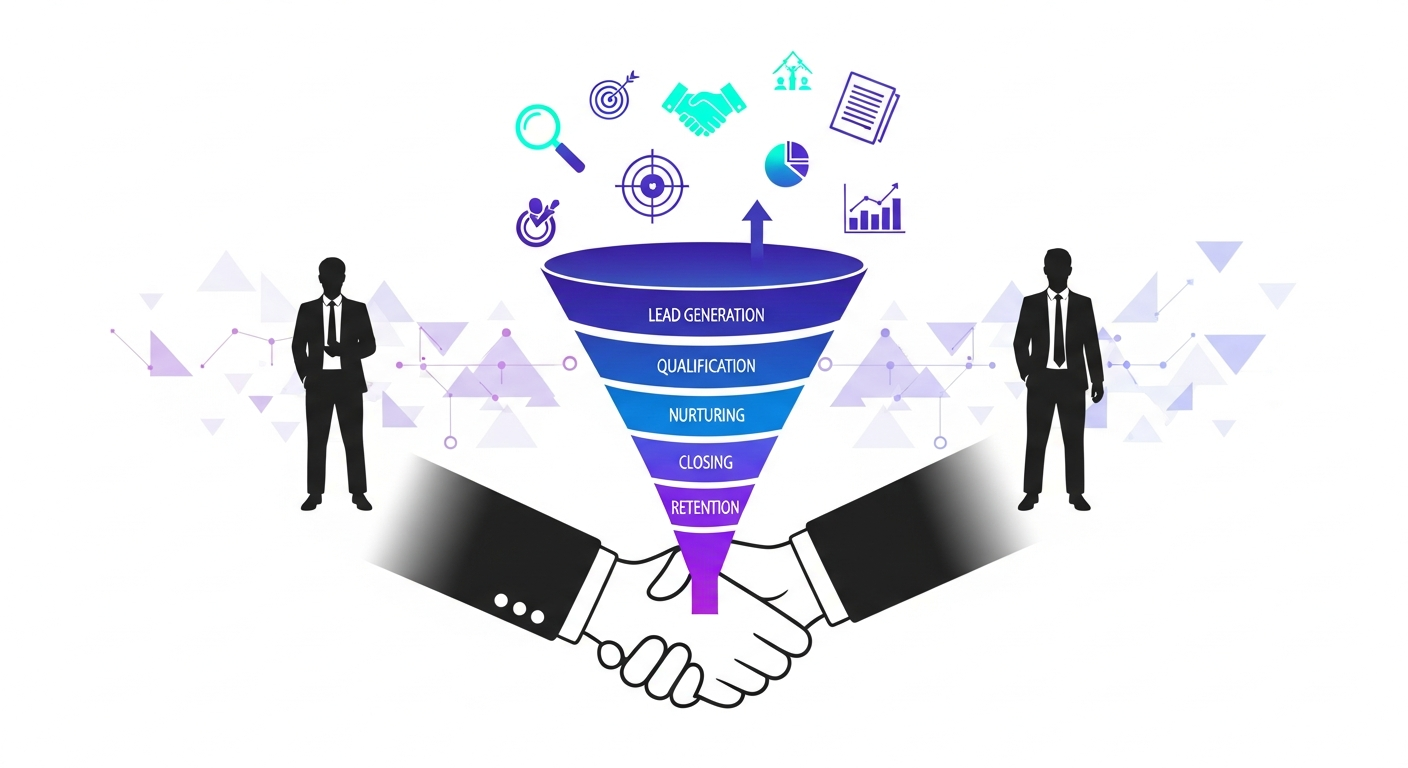
B2B sales techniques are specialized strategies designed to facilitate complex sales processes between businesses. Unlike B2C sales that focus on individual consumers, B2B sales involve longer decision cycles, multiple stakeholders, and larger transaction values. Mastering B2B sales techniques is essential for sustainable business growth and long-term partnerships.
The Importance of B2B Sales Techniques
In the B2B landscape, effective sales techniques provide numerous competitive advantages:
- Shorter sales cycles through efficient relationship management
- Higher deal values and larger order volumes
- Increased customer lifetime value and retention
- Strong referral networks and word-of-mouth marketing
- Predictable revenue streams from long-term contracts
- Enhanced brand reputation in the industry
Key B2B Sales Techniques

Successful B2B sales professionals employ a variety of proven techniques to navigate complex sales cycles and build meaningful business relationships:
1. Consultative Selling
Rather than pushing products, consultative selling focuses on understanding the client's business challenges and pain points. Sales professionals act as trusted advisors, asking thoughtful questions and providing solutions that directly address client needs. This approach builds credibility and trust, making clients more receptive to your offerings.
2. Solution-Based Selling
B2B buyers are looking for solutions to their business problems, not just products. Effective B2B sales professionals demonstrate how their offerings integrate with the client's existing systems, improve efficiency, reduce costs, or generate revenue. They focus on business outcomes rather than product features.
3. Relationship Building and Account Management
In B2B sales, relationships are everything. Developing genuine relationships with key stakeholders, decision-makers, and influencers within the client organization is crucial. Regular communication, understanding their business objectives, and providing ongoing value strengthens these relationships and increases the likelihood of repeat business and referrals.
4. Multi-Threaded Selling
B2B purchasing decisions typically involve multiple stakeholders with different priorities and concerns. Multi-threaded selling involves building relationships with various decision-makers and influencers within the organization. This approach reduces dependency on a single contact and increases the chances of deal closure.
5. Account-Based Marketing (ABM)
Account-Based Marketing aligns sales and marketing efforts to target high-value accounts. Rather than casting a wide net, ABM focuses personalized campaigns and messaging on specific target companies. This coordinated approach improves relevance and increases conversion rates significantly.
6. Value-Based Negotiation
Negotiation in B2B sales requires a different approach than traditional haggling. Rather than competing on price alone, value-based negotiation emphasizes the return on investment (ROI) and long-term value. Sales professionals should be prepared with case studies, testimonials, and data demonstrating the financial benefits of their solutions.
7. Leveraging Sales Technology
Modern B2B sales teams utilize Customer Relationship Management (CRM) systems, sales intelligence platforms, and marketing automation tools. These technologies enable better prospect research, personalized outreach, and systematic follow-up. Data-driven insights help sales professionals prioritize opportunities and tailor their approach.
"In B2B sales, trust is the currency. Build it through understanding, expertise, and consistent delivery of value."
The B2B Sales Cycle
Understanding the typical B2B sales cycle is essential for applying the right techniques at the right time:
Prospecting and Lead Generation
Identifying potential clients through market research, industry events, cold outreach, and referrals. Quality of leads is more important than quantity in B2B sales.
Initial Qualification
Assessing whether the prospect fits your ideal customer profile and has genuine need for your solution. Quick qualification prevents wasting time on unqualified leads.
Discovery and Needs Analysis
Conducting detailed conversations to understand the prospect's current situation, challenges, goals, and decision-making process. This phase is critical for consultative selling.
Proposal and Presentation
Presenting a customized solution that addresses the prospect's specific needs and demonstrates clear value and ROI.
Negotiation and Closing
Working through contract details, terms, and pricing to reach mutually beneficial agreements and close the deal.
Implementation and Account Management
Ensuring smooth onboarding, successful implementation, and ongoing support to establish the foundation for a long-term relationship.
Common Challenges in B2B Sales
- Long Sales Cycles: B2B deals often take months or even years to close, requiring patience and persistence
- Multiple Decision-Makers: Navigating different stakeholders with competing interests requires strong coordination
- Complex Solutions: Explaining intricate products or services to non-technical buyers is challenging
- Budget Constraints: Economic cycles and budget limitations can significantly impact purchasing decisions
- Risk Aversion: Large purchase decisions carry significant risk, making buyers cautious and thorough in their evaluation
Best Practices for B2B Sales Success
- Invest in deep product knowledge and industry expertise
- Use data and analytics to inform sales strategies and decisions
- Develop strong listening skills and empathy
- Maintain consistent communication and follow-up
- Create case studies and success stories demonstrating client results
- Build and maintain a strong professional network
- Focus on long-term relationships rather than quick wins
- Continuously adapt to changing market conditions and client needs
Conclusion
Mastering B2B sales techniques requires a combination of strategic thinking, relationship management, and consultative problem-solving. Success in B2B sales comes from genuinely understanding client needs, providing value-driven solutions, and building lasting partnerships. By applying proven techniques and continuously refining your approach based on market feedback, you can significantly improve sales performance and contribute to sustainable business growth.