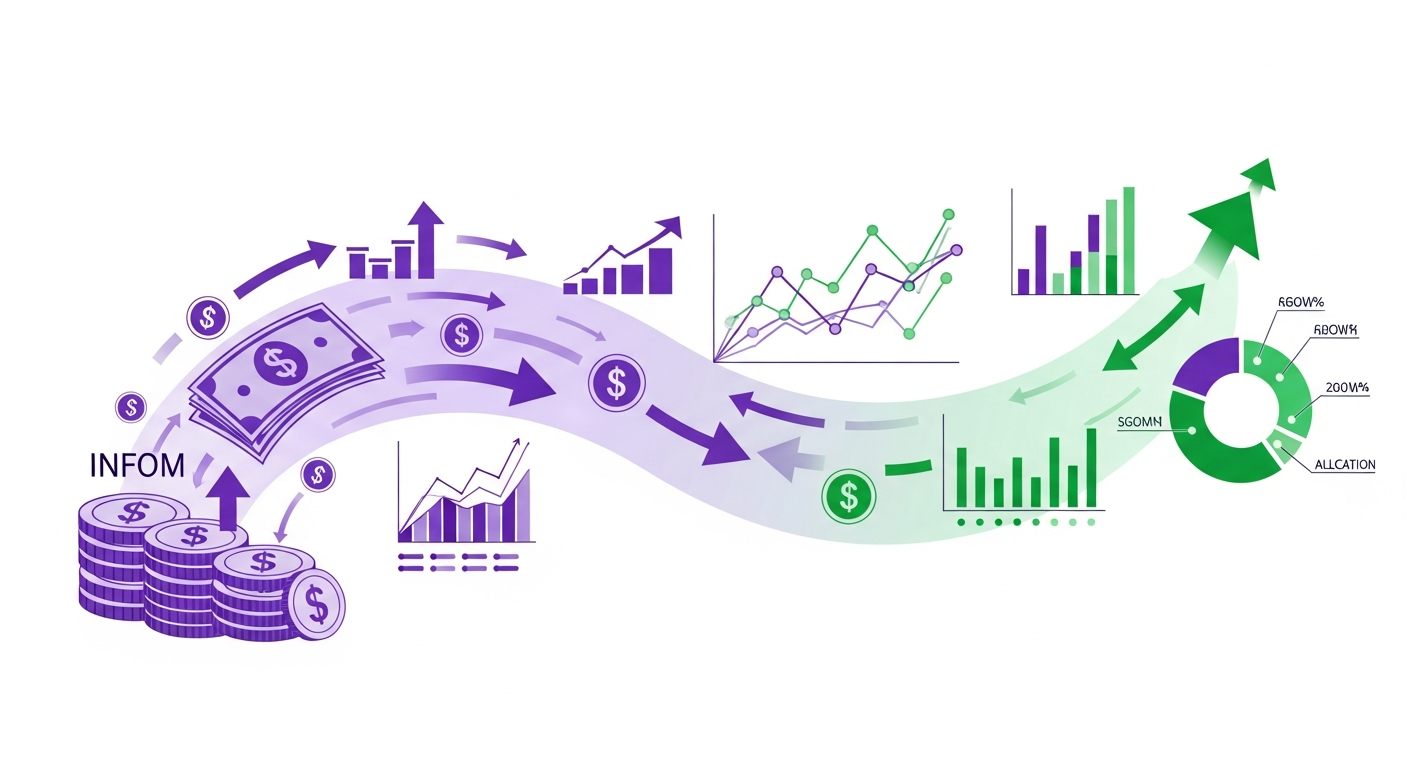
Cash flow management is the process of monitoring, analyzing, and optimizing the movement of money in and out of your business. It's one of the most critical aspects of financial management, as even profitable companies can fail without proper cash flow control.
Why Cash Flow Management Matters
Many businesses fail not because they're unprofitable, but because they run out of cash. Cash flow problems can:
- Prevent you from paying suppliers and employees
- Limit your ability to invest in growth
- Create stress and uncertainty in business operations
- Force you to take expensive emergency financing
- Damage your business relationships and credit
Understanding Cash Flow
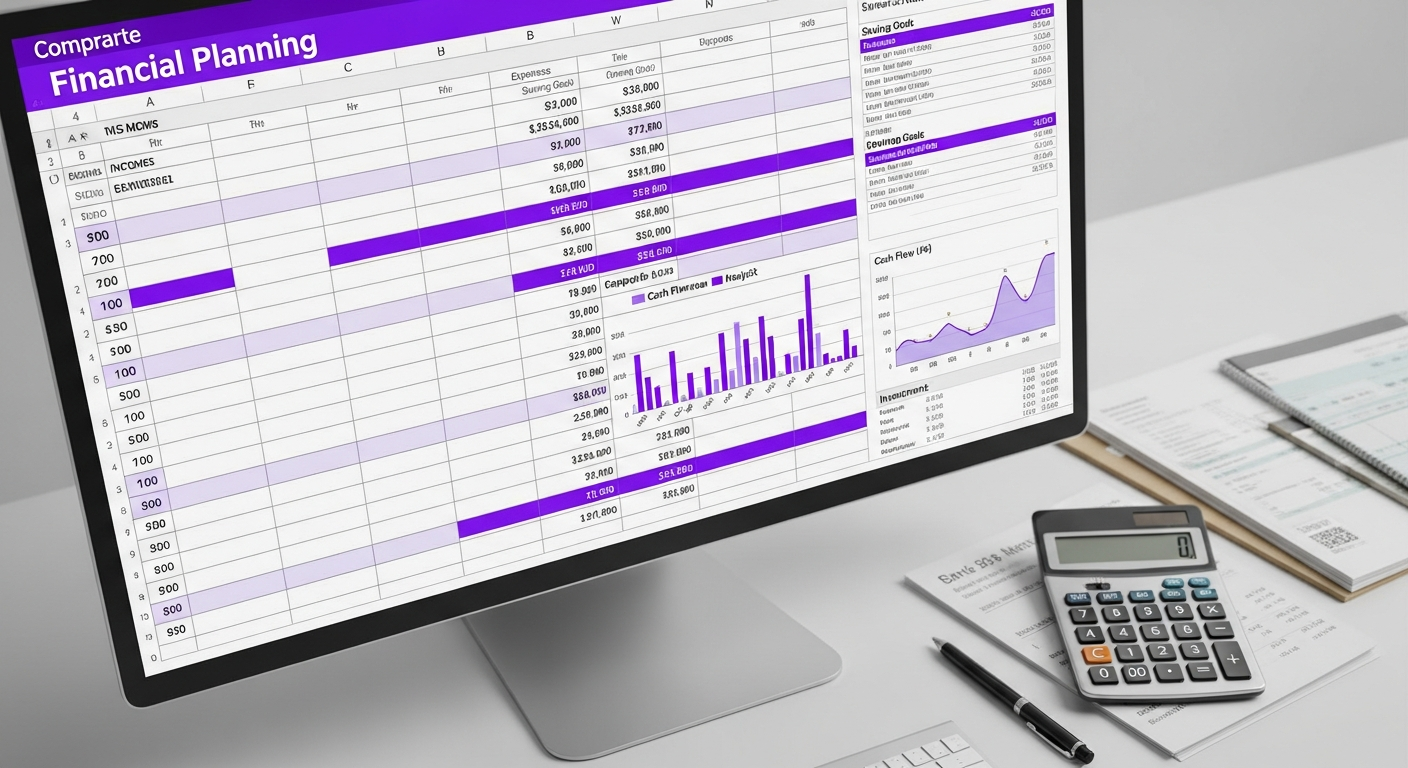
Cash flow consists of three components:
1. Operating Cash Flow
Money generated from your core business operations. This is the cash you earn from selling products or services, minus operating expenses. A positive operating cash flow indicates your business generates enough cash to sustain itself.
2. Investing Cash Flow
Cash used for or generated from investments in assets. This includes purchasing equipment, property, investments, or selling existing assets. Growing businesses typically have negative investing cash flow as they reinvest profits.
3. Financing Cash Flow
Cash from borrowing, repaying loans, equity investments, or dividend payments. This shows how you fund your business operations and growth.
Key Cash Flow Metrics
Cash Conversion Cycle (CCC)
The number of days between when you pay suppliers and when you collect payment from customers. A shorter cycle is better as it means less working capital is tied up in operations.
Operating Cash Flow Ratio
Operating cash flow divided by current liabilities. This shows your ability to cover short-term obligations with cash generated from operations.
Free Cash Flow
Operating cash flow minus capital expenditures. This represents cash available for growth, dividends, or debt repayment.
Strategies for Managing Cash Flow
1. Accelerate Receivables
- Invoice immediately and clearly
- Offer early payment discounts (e.g., 2% off for payment within 10 days)
- Set clear payment terms and follow up on overdue accounts
- Consider invoice factoring for immediate cash
2. Optimize Payables
- Negotiate extended payment terms with suppliers
- Take advantage of payment terms but pay on time to maintain relationships
- Group purchases to increase negotiating power
- Use strategic timing of payments to optimize cash position
3. Manage Inventory Efficiently
- Maintain optimal inventory levels
- Avoid overstocking that ties up cash
- Use just-in-time inventory to reduce holding costs
- Monitor slow-moving inventory and consider clearance sales
4. Prepare Cash Flow Forecasts
Project future cash inflows and outflows to anticipate shortfalls. Monthly forecasts are ideal for most businesses. Include seasonal variations and known future expenses or revenue.
5. Build Cash Reserves
Maintain an emergency fund equal to 3-6 months of operating expenses. This buffer helps you weather unexpected challenges and unexpected opportunities.
Common Cash Flow Problems
Seasonal Fluctuations
Many businesses experience seasonal variations in revenue. Plan ahead by building reserves during high-revenue periods to cover low periods.
Rapid Growth
Growing too fast can strain cash flow as you need to fund inventory and operations before customers pay you. Manage growth carefully and consider financing options.
Late Customer Payments
Implement credit policies, offer incentives for early payment, and have a system for following up on late payments.
Unexpected Expenses
Equipment failures, emergency repairs, or market disruptions can suddenly impact cash. A cash reserve helps manage these situations.
"Cash is king. Profit is merely an opinion, but cash is a fact. Without cash, your business cannot survive."
Tools for Cash Flow Management
- Accounting Software: QuickBooks, Xero, Wave - automate cash tracking
- Invoicing Systems: Streamline billing and payment collection
- Cash Flow Forecasting Tools: Project future cash positions
- Financial Dashboards: Monitor key metrics in real-time
Action Steps for Better Cash Flow
- Create a detailed cash flow forecast for the next 12 months
- Identify your longest outstanding receivables and take action
- Review supplier terms and negotiate where possible
- Calculate your cash conversion cycle
- Set target cash reserves and work toward that goal
- Review and update your cash flow monthly
Conclusion
Cash flow management is not just about accounting—it's about ensuring your business survives and thrives. By actively managing how money flows through your business, you can avoid financial crises, take advantage of opportunities, and build a stronger, more resilient company. Remember, many successful businesses started small and grew by carefully managing their cash flow. Make it a priority in your business strategy.